update
italy
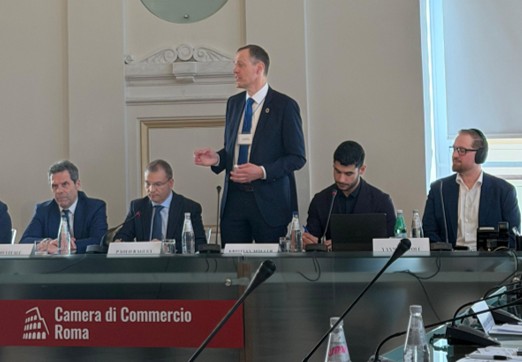
Our Italy launch event took place in Rome on 17 March 2026, organised by ALS as the local appellando OGM partner. The event brought together a broad coalition of stakeholders, including AGEA, INPS, representatives of Italy’s Parliamentary Agriculture Commission, trade unions (FLAI CGIL, among others), agricultural organisations (Copagri, Confeuro, Agrocepi), temporary labour agencies (OpenJob Metis and Generazione Vincente), among others. One of the key topics was shared responsibility across the supply chain. Multiple speakers stressed that the old “cut and run” approach where retailers simply drop problematic suppliers is no longer acceptable and appropriate for the purpose of collaborative work. Instead, retailers want early visibility into issues before they escalate, and the level-based resolution model (local first, escalation only if no amicable resolution is reached) was presented as a practical framework for that. The legislative landscape featured prominently too: Italy’s strong existing framework, especially Law 199 against caporalato, was positioned as complementary to the German Supply Chain Due Diligence Act and the upcoming CSDDD. Several Italian institutions signalled readiness to provide additional legislative backing if needed.
The situation of migrant workers was a major thread throughout the event. Speakers described the persistence of caporalato, illegal labour intermediation and exploitation, alongside black market practices that continue despite Italy’s legal framework. Migrant workers often still live and work in extremely difficult conditions, including informal settlements, and face particular vulnerability due to language barriers and precarious legal status. Migrant workers often still live and work in extremely difficult conditions, including informal settlements, and face particular vulnerability due to language barriers and precarious legal status. Multiple participants stressed that accessible, multilingual complaint channels are essential to reaching this workforce. This is exactly why the appellando complaint helpline operates in six languages via both smartphone and basic phone access.
Local NGOs working directly with migrant communities confirmed their readiness to support outreach and help bridge the gap between workers and the grievance system. Economic sustainability as a precondition for social sustainability was the other recurring thread: agricultural organisations argued that fair pricing across the supply chain is essential for enabling ethical practices, and that appellando should be seen as a competitive advantage for ethical producers rather than just a compliance burden.
Italian organisations are now invited to sign the eight commitments of the appellando declaration and join the National Multi-Stakeholder Dialogue shaping the Alliance structure in Italy. Operational rollout is planned for the April 2026.